
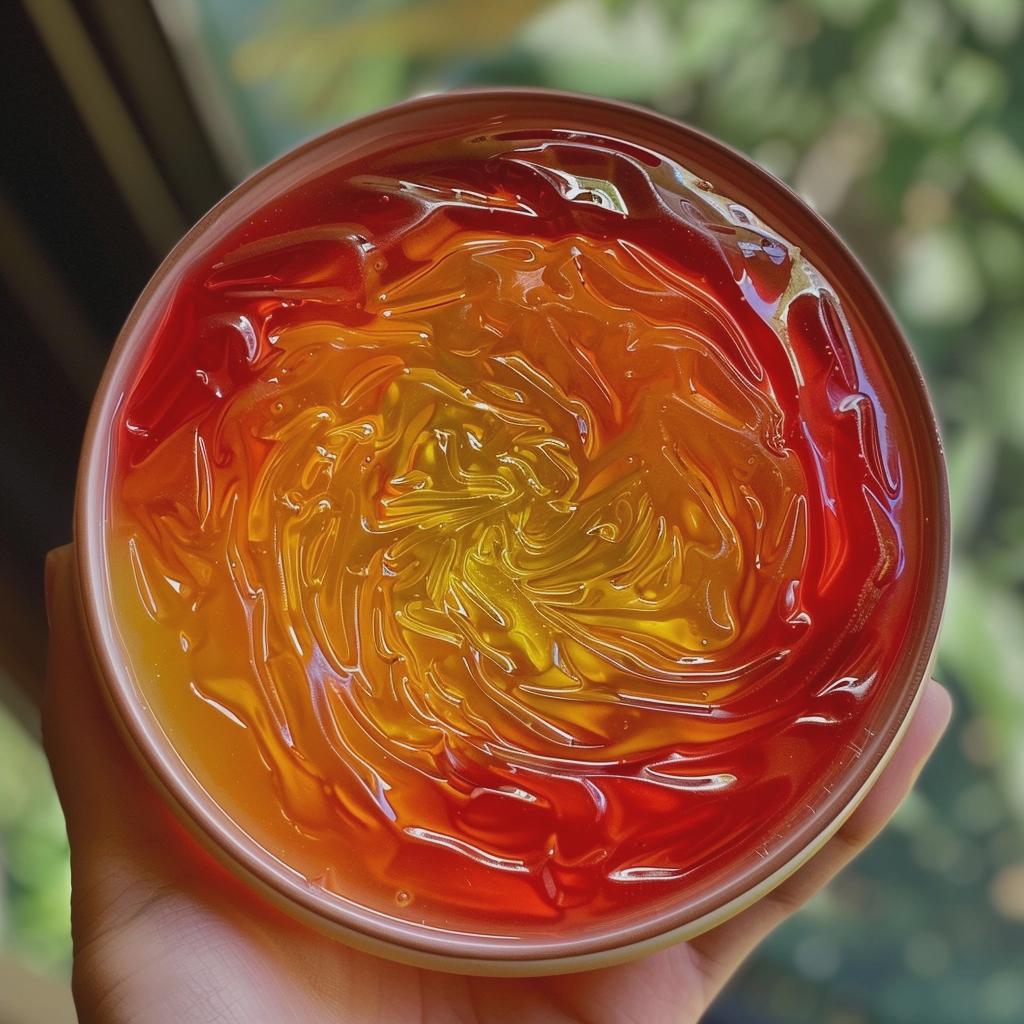
The collagen gelatin trick involves simmering collagen-rich animal connective tissues to extract nutrients that transform liquid broth into a thick, restorative jelly when chilled. This technique creates a nutrient-dense base that provides superior mouthfeel and health benefits compared to store-bought alternatives. Chefs use this professional method to ensure their stocks maintain a silky texture and robust flavor profile across numerous culinary applications.

| Prep Time | Cook Time | Total Time | Servings | Difficulty | Cuisine |
|---|---|---|---|---|---|
| 15 mins | 12 hours | 12 hrs 15 mins | 8 servings | Intermediate | Continental |
Why This Recipe Works
This recipe works by prioritizing the extraction of gelatin from collagen-dense ingredients like chicken feet, beef knuckles, or ox tails. During the extended simmering process, the collagen undergoes hydrolysis, converting into gelatin, which acts as a powerful thickening agent for the final liquid.
My personal experience with this method confirms that the gelatin content dictates the overall quality of the broth. When the broth turns into a jiggly substance in the refrigerator, you have successfully captured the maximum amount of amino acids and minerals, resulting in a superior culinary product.
Ingredients
| Ingredient | Quantity | Notes |
| Beef Knuckles | 3 lbs | High surface area for extraction |
| Chicken Feet | 1 lb | Essential for extra collagen |
| Carrots | 2 large | Adds sweetness |
| Onions | 2 whole | Standard aromatic base |
| Celery stalks | 3 stalks | Enhances depth of flavor |
| Apple Cider Vinegar | 2 tbsp | Helps extract minerals from bone |
Step-by-Step Instructions
Preparation Phase
- Roast the beef knuckles and chicken feet in an oven at 400 degrees Fahrenheit until browned for 45 minutes to enhance the base flavor.
- Transfer all bones into a large stockpot or slow cooker.
Extraction Phase
- Add cold water to the pot until the bones are covered by at least two inches.
- Pour the apple cider vinegar over the bones to begin the breakdown process.
- Simmer the mixture on low heat for 12 hours while skimming the surface occasionally to remove impurities.
Finishing Phase
- Strain the broth through a fine-mesh sieve to remove all solid particulate matter.
- Cool the liquid rapidly in an ice bath before storing it in the refrigerator to induce gelling.
Chef Tips for Perfect Results
- Maintain a very low simmer; a rolling boil will emulsify the fat and turn the broth cloudy, ruining the clarity.
- Use an ice bath to cool the broth quickly, which prevents bacterial growth and improves the setting quality.
- Add the apple cider vinegar at the very beginning to facilitate the mineral leaching process more efficiently.
- Avoid salting the broth during the initial cooking stage, as reduction will concentrate the salt and may lead to an over-seasoned final result.
- Source bones from grass-fed animals to ensure the healthiest profile for your collagen extraction.
Common Mistakes to Avoid
The most frequent error is using too much water, which dilutes the gelatin concentration and prevents proper setting. Always measure your water to just cover the bones, as adding excess water results in a watery, flavorless, and thin stock.
Another common mistake is failing to roast the bones first, which results in a pale broth that lacks the complex, savory depth needed for high-quality soups. You should always roast at a high temperature to caramelize the proteins. Finally, avoid skimming too aggressively; while you want to remove foam, removing too much fat can reduce the overall richness of the finished broth.
Variations and Substitutions
| Ingredient | Substitution | Impact |
| Beef Knuckles | Lamb Bones | Richer, slightly more gamey taste |
| Chicken Feet | Turkey Necks | Higher yield but slightly less gelatinous |
| Apple Cider Vinegar | Lemon Juice | Provides acidity, but leaves a slight citrus note |
Frequently Asked Questions
Can I substitute lemon juice when making bone broth?
You can substitute lemon juice for apple cider vinegar to facilitate the mineral extraction process during simmering. While the flavor profile changes slightly, the acidity level is sufficient to break down the collagen effectively.
How do I know when my bone broth has reached peak doneness?
Your broth is fully ready when the connective tissues have completely dissolved into the liquid during the long simmer. If the bones look brittle and separate easily, the extraction is complete.
What should I do if the broth does not form a gel?
If your broth fails to gel, simply increase the concentration of collagen-rich ingredients in your next batch, such as adding more chicken feet or skin. You can also reduce the existing broth on the stove for a longer period to concentrate the protein naturally.
How far in advance can I prepare this collagen-rich broth?
You can prepare this broth up to five days before you plan to use it if you keep it sealed in the refrigerator. For longer storage, freeze the broth in individual freezer-safe bags for up to six months.
Which dishes work best with this gelatinous broth?
This nutrient-rich broth serves as an ideal base for risotto, sauces, and traditional soups that require a luxurious mouthfeel. It brings a velvety quality to any recipe that traditionally relies on water or thin stock.
By mastering the collagen gelatin trick, you elevate your home cooking with a level of depth and healthfulness typically reserved for professional kitchens. The simple patience required for long-simmering extracts the best components of the bones, yielding a liquid gold that serves as the foundation for countless recipes. Enjoy the rich, savory, and restorative quality of your homemade gelatin-based broth in your daily cooking routine for optimal satisfaction.
Collagen-Rich Bone Broth
Ingredients
- 3 lbs beef knuckles
- 1 lb chicken feet
- 2 large carrots
- 2 whole onions
- 3 stalks celery
- 2 tbsp apple cider vinegar
- Water for covering bones
Instructions
- Preheat oven to 400°F and roast beef knuckles and chicken feet for 45 minutes until browned.
- Transfer the roasted bones into a large stockpot or slow cooker.
- Add cold water until the bones are covered by at least two inches.
- Pour the apple cider vinegar over the bones.
- Simmer on low heat for 12 hours, skimming the surface occasionally to remove impurities.
- Strain the broth through a fine-mesh sieve into a clean container.
- Cool the liquid rapidly in an ice bath before storing it in the refrigerator.
Notes
More recipes:Jelly Roll Weight Loss Recipe for Healthy Living