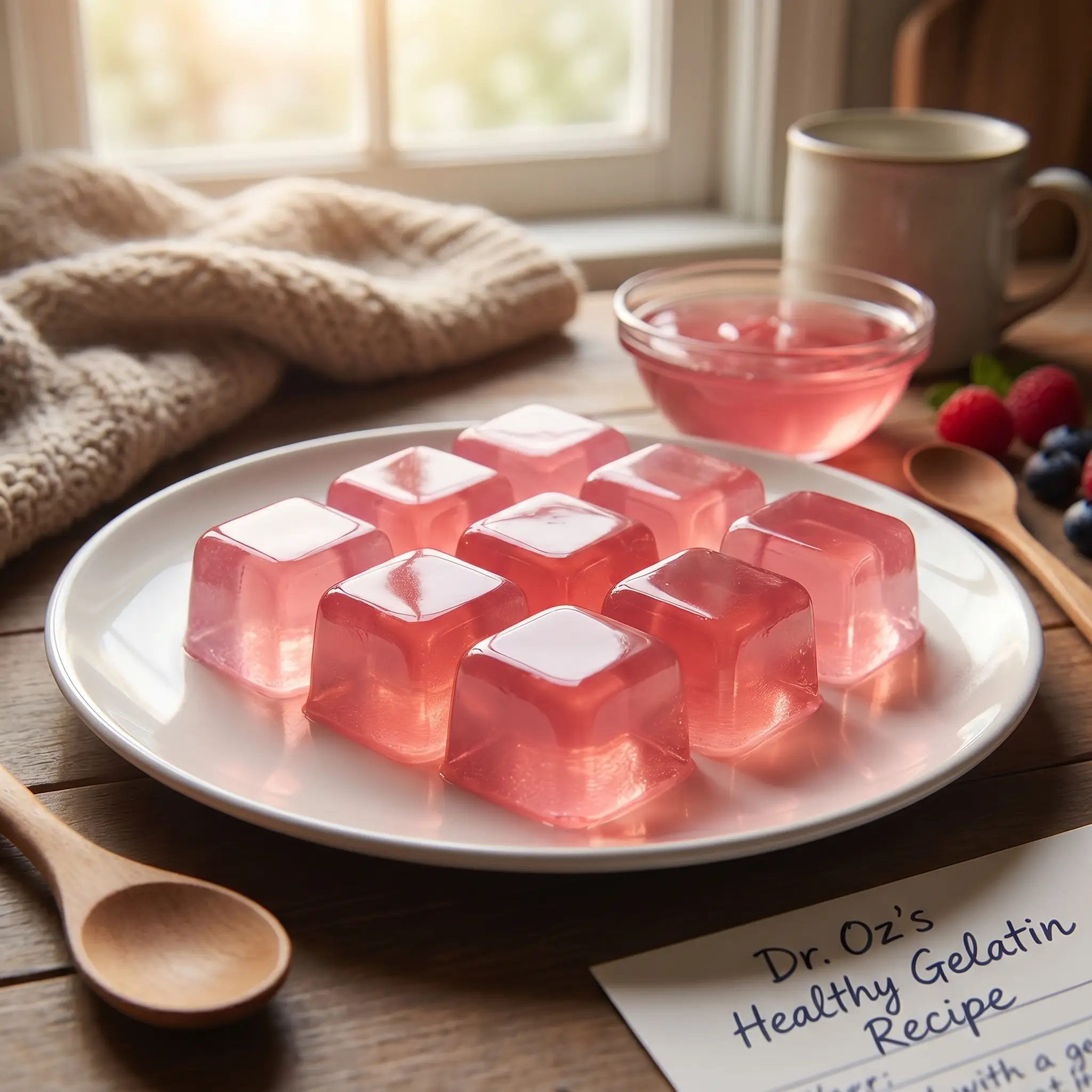
If you’ve spent any time on TikTok, YouTube, or Pinterest lately, you’ve probably seen the “Dr. Oz pink gelatin recipe” pop up in your feed. A soft pink cube. A warm gelatin drink. Someone swearing it helped them eat less and finally stop snacking at night.
But here’s what most articles won’t tell you: Dr. Oz never actually published this recipe. The phrase “Dr. Oz pink gelatin trick” is a viral naming convention, not a verified endorsement. That doesn’t mean the recipe doesn’t work — it just means we need to separate the marketing from the method.
At Yuum Recipes, we test viral food trends before we write about them. After making the pink gelatin recipe dozens of times, adjusting ratios, and tracking how it actually affects appetite, here’s the honest guide: what the recipe really is, the 3 core ingredients, how to make it step by step, what the science supports, and whether it deserves a place in your routine.
No hype. No “melt 20 pounds in a week” promises. Just a straightforward breakdown of a simple pre-meal ritual that, when used correctly, can genuinely support portion control and mindful eating.
What You’ll Learn in This Guide
- The truth about the “Dr. Oz” name and where this recipe actually comes from
- The 3 core ingredients (and the 4 optional add-ins that people swear by)
- Step-by-step instructions to make the pink gelatin recipe correctly the first time
- The 5 best variations including the bariatric, Mark Hyman, and Jennifer Ashton versions
- What peer-reviewed research actually says about gelatin and satiety
- The 5 most common mistakes that ruin the recipe
- Who should absolutely avoid this recipe
What Is the Dr. Oz Pink Gelatin Recipe?
The Dr. Oz pink gelatin recipe is a pre-meal drink or soft gelatin snack made from unflavored gelatin, hot water, and a splash of natural pink juice (usually cranberry or pomegranate). People typically consume it 15 to 30 minutes before their main meal to help reduce hunger and support portion control.
It’s part of a larger family of viral weight loss drinks that includes the pink salt trick, the gelatin trick, oatzempic, and ricezempic — all positioned as simple, low-cost alternatives to GLP-1 medications like Ozempic, Wegovy, and Mounjaro.
Where the “Dr. Oz” Name Came From
Despite the widespread use of his name, Dr. Mehmet Oz has not published or endorsed a specific pink gelatin recipe. What happened is this: his past segments on protein, satiety, and gelatin benefits were clipped, remixed, and recontextualized on social media. Wellness influencers then built a branded “recipe” around those segments, attached his name for credibility, and the term went viral.
This isn’t unique to Dr. Oz. The same pattern happened with Dr. Mark Hyman, Dr. Jennifer Ashton, Jillian Michaels, and Kelly Clarkson — all of whom have been credited with gelatin recipes they never actually created. It’s a common SEO and TikTok tactic: borrow a trusted name to make a simple wellness habit feel more authoritative.
That said, the underlying concept — using protein-rich gelatin before meals to increase satiety — is not invented. It’s rooted in decades of bariatric nutrition practice, where post-surgical patients use sugar-free gelatin as a gentle, filling snack during the liquid and soft-food recovery phases.
Why This Recipe Went Viral
Three factors exploded the pink gelatin trend in 2025-2026:
- The Ozempic conversation: With prescription weight loss drugs costing $900-$1,300 per month, millions are searching for affordable natural alternatives.
- Simplicity: Three ingredients. Five minutes to make. Costs under $10 per month. No complicated meal plan required.
- Visual appeal: The soft pink color is Instagram-perfect and makes the drink feel like a treat rather than a diet food.
For a broader look at why viral weight loss recipes trend so quickly, check our companion guides on the pink salt trick recipe and the bariatric gelatin recipe for weight loss — both use similar principles of pre-meal satiety routines.
Dr. Oz Pink Gelatin Weight Loss Dessert
Equipment
- Mixing Bowl
- Whisk
- Refrigerator
Ingredients
Gelatin Base
- 1 package sugar-free strawberry gelatin
- 1 cup boiling water
- 1 cup cold water
Creamy Layer
- 1 cup plain Greek yogurt non-fat preferred
- 1 cup fresh strawberries sliced
Instructions
- Dissolve the sugar-free strawberry gelatin in boiling water, stirring until completely dissolved.
- Add cold water to the gelatin mixture and stir well.
- Allow the mixture to cool slightly, then whisk in the Greek yogurt until smooth and creamy.
- Fold in the sliced strawberries.
- Pour into serving dishes and refrigerate for at least 2 hours or until fully set.
- Serve chilled and enjoy a light, low-calorie dessert.
Notes
The 3 Core Ingredients in the Pink Gelatin Recipe
If you’ve searched “what are the 3 ingredients in the gelatin trick,” here’s the honest answer. The recipe is intentionally minimalist — three ingredients form the base, and everything else is optional enhancement.
1. Unflavored Gelatin Powder (1 tablespoon)
This is the active ingredient. One tablespoon of unflavored gelatin provides approximately 6 grams of protein for fewer than 25 calories. The protein is collagen-derived, which means it’s rich in two specific amino acids — glycine and proline — that support gut lining integrity, joint health, and the satiety signaling that gives this recipe its appetite-control effect.
Brands that work: Knox (widely available, inexpensive), Vital Proteins (grass-fed, cleaner sourcing), Great Lakes Unflavored (bariatric community favorite). Any unflavored gelatin powder will work — the brand matters less than making sure it’s pure gelatin with no added sugar or sweeteners.
What not to use: Pre-sweetened Jell-O packets defeat the entire low-calorie purpose of this recipe. Collagen peptides will not gel (they dissolve but don’t thicken), so they can’t create the pre-meal fullness effect. Stick with unflavored gelatin powder.
2. Hot Water or Herbal Tea (1/2 cup)
Gelatin needs heat to dissolve properly. Plain hot water works perfectly, but many people upgrade to herbal tea for additional benefits without adding calories:
- Hibiscus tea: Deepens the pink color naturally and adds anthocyanins linked to blood pressure support.
- Ginger tea: Supports digestion and adds warmth — ideal for morning versions.
- Chamomile: Calming, perfect for evening versions before dinner.
- Green tea: Adds mild antioxidants without overpowering the flavor.
3. Unsweetened Cranberry or Pomegranate Juice (1/4 cup)
This is where the signature pink color comes from. Both juices are naturally tart, so you only need a small amount for visual appeal and a subtle fruity note. Always choose unsweetened varieties — the added sugar in regular cranberry cocktails can add 25+ grams of sugar per serving and undermine the entire purpose of the recipe.
If you want the pink color without the fruit juice calories, hibiscus tea (mentioned above) is the best zero-calorie alternative. It produces a vibrant magenta-pink that’s actually more intense than juice.
Optional Add-Ins (The 4 Most Popular Upgrades)
- Fresh lemon juice (1 teaspoon): Adds brightness and vitamin C without calories.
- Pink Himalayan salt (1 pinch): Adds trace minerals and balances the tartness. This is also the bridge between this recipe and our pink salt trick weight loss recipe.
- Stevia or monk fruit (to taste): Zero-calorie sweeteners if you find the tartness too strong.
- Apple cider vinegar (1 teaspoon): Some users add this to support blood sugar response. Use with caution — it can be harsh on tooth enamel.
How to Make the Dr. Oz Pink Gelatin Recipe (Step-by-Step)
This is the exact method I use. Total time is about 5 minutes active, plus cooling time if you want it as chilled cubes instead of a warm drink.
Ingredients (serves 1)
- 1 tablespoon unflavored gelatin powder
- 2 tablespoons cold water (for blooming)
- 1/2 cup hot water or herbal tea (just below boiling, around 90°C / 195°F)
- 1/4 cup unsweetened cranberry or pomegranate juice
- Optional: 1 tsp lemon juice, pinch of pink Himalayan salt, stevia to taste
Instructions
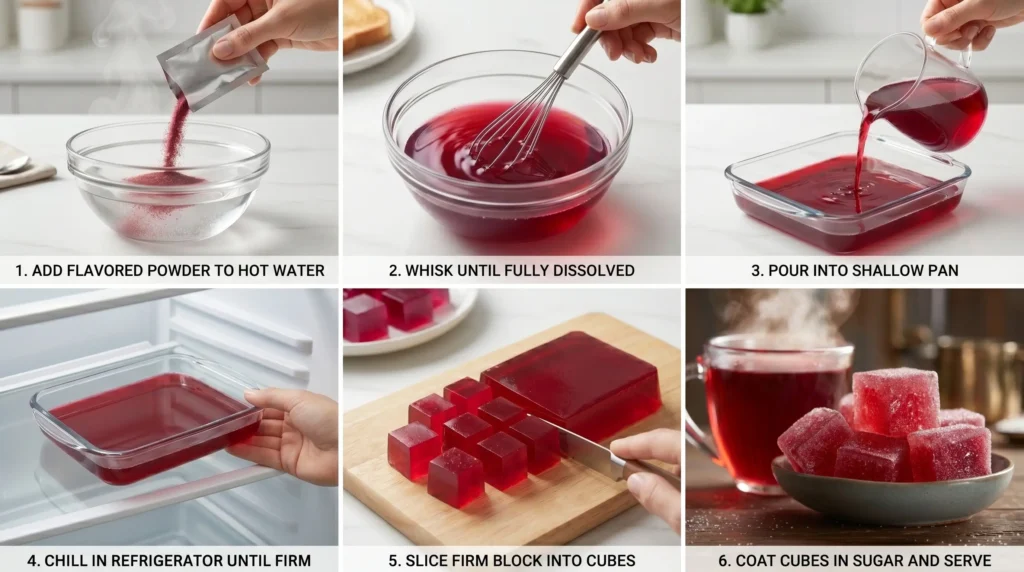
- Bloom the gelatin (2 minutes): Pour 2 tablespoons of cold water into a small bowl. Sprinkle the gelatin powder evenly over the surface. Do not stir. Let it sit for 2 to 5 minutes until the gelatin swells and becomes sponge-like. This step prevents clumps — skipping it is the #1 reason this recipe fails.
- Heat the water or tea: Bring 1/2 cup of water or herbal tea to just below boiling. If using hibiscus tea, brew it strong for a deeper pink color.
- Combine (1 minute): Pour the hot liquid over the bloomed gelatin. Whisk gently for 30 to 60 seconds until the gelatin fully dissolves. The mixture should be clear with no granules remaining.
- Add the juice and flavorings: Stir in the cranberry or pomegranate juice, lemon juice, and any optional ingredients (salt, stevia). The color will shift to a soft pink.
- Choose your format:
- Warm drink version: Pour into a mug and drink within 5-10 minutes while still warm and liquid. This is the most common pre-meal format.
- Chilled cube version: Pour into a small dish or ice cube tray and refrigerate for 2-3 hours until set. Eat 2-3 cubes 15-30 minutes before meals.
Nutrition Information (per serving)
| Calories | 35-45 kcal |
| Protein | 6 g |
| Carbohydrates | 3-5 g (from juice) |
| Fat | 0 g |
| Sugar | 2-4 g (naturally occurring) |
| Prep Time | 5 minutes |
When and How to Drink It for Best Results
Timing is where most people get this wrong. The gelatin’s satiety effect depends on giving your body enough time to register the protein before your actual meal arrives.
The Pre-Meal Window
Drink or eat the gelatin 15 to 30 minutes before your main meal. This window allows:
- The gelatin to reach the stomach and begin forming a gentle gel
- Protein-satiety hormones (including CCK and PYY) to start signaling
- Your brain to register fullness signals before hunger drives overeating
Less than 15 minutes and the satiety signal hasn’t activated yet. More than 30 minutes and the effect has largely worn off by the time you sit down to eat.
Once or Twice Daily — Not More
Most people get the best results using this routine before lunch or dinner — whichever meal they’re most likely to overeat at. Using it before all three meals is generally unnecessary and can interfere with normal hydration patterns. Start with one serving per day for a week and assess.
What to Expect (Realistic Timeline)
Week 1: You may notice feeling full faster at the meal following your pink gelatin. Portion sizes naturally shrink by 10-20% without conscious effort.
Week 2-3: Cravings between meals often decrease. Evening snacking — one of the hardest habits to break — becomes noticeably easier to skip.
Week 4+: If you’re also paying attention to overall nutrition and movement, you may start seeing weight results. The gelatin itself doesn’t cause weight loss — it creates the conditions for smaller meals, which is what drives results.
For a different approach to morning hydration and weight management, many of our readers pair this recipe with the ice water hack for weight loss — a 7-second morning ritual that complements the pre-meal gelatin routine.
5 Popular Variations of the Pink Gelatin Recipe
Once you’ve mastered the base recipe, there are several well-known variations worth exploring. Each targets a slightly different goal or dietary need.
1. The Bariatric Gelatin Version
The original medical-use version, often called bariatric jello. It uses only unflavored gelatin and water — no juice, no sugar, nothing that could irritate a recovering stomach. Often made with sugar-free fruit-flavored gelatin instead. This is the version surgeons have recommended to post-op patients for decades.
For the full medical context and step-by-step version, see our complete bariatric gelatin recipe for weight loss guide.
2. The Dr. Jennifer Ashton Mindful Eating Version
Dr. Jennifer Ashton has publicly discussed using gelatin as part of a mindful eating pause — not a weight loss hack. Her approach emphasizes drinking the gelatin warm, slowly, as a deliberate ritual to separate yourself from mindless snacking rather than a fat-burning tool. Ingredients are identical to the base recipe; the difference is framing and intention.
3. The Dr. Mark Hyman Functional Medicine Version
Adds apple cider vinegar (1 teaspoon), lemon juice, and sometimes a dash of cinnamon to support blood sugar response. This version leans into functional medicine principles, pairing the gelatin’s protein content with ingredients that may improve insulin sensitivity.
4. The Pink Salt Gelatin Hybrid
Combines the pink gelatin recipe with the viral pink salt trick. Add a generous pinch of pink Himalayan salt (or sole water) to the standard recipe. The result is a drink that hits satiety (from gelatin), trace minerals (from salt), and hydration signaling in one serving.
5. The Butterfly Pea Tea Color-Change Version
For pure visual fun, make the gelatin with butterfly pea tea (which is naturally deep blue), then add a squeeze of lemon right before drinking. The acid in the lemon causes the tea to shift from blue to violet to pink. Effectiveness is identical to the standard recipe — this is a presentation variation.
Does It Actually Work? What the Science Says
This is the section most viral recipe articles skip. Here’s an honest look at what research supports and what it doesn’t.
What the Research Supports
Pre-meal protein improves satiety. Multiple studies have shown that consuming 15-30 grams of protein before a meal reduces subsequent calorie intake by 10-20%. A 2015 study in the Journal of the Academy of Nutrition and Dietetics found that whey protein consumed 30 minutes before a meal decreased appetite and total daily intake. Gelatin delivers a smaller protein dose (6g vs 20-30g), but the mechanism is the same.
Gelatin is highly satiating per calorie. A landmark 2009 study published in the Journal of the American College of Nutrition found that gelatin was 40% more satiating than casein (a dairy protein) on a calorie-for-calorie basis. The researchers attributed this to gelatin’s unique amino acid profile, particularly glycine.
Collagen supports gut and joint health. The amino acids in gelatin — especially glycine and proline — are precursors for collagen synthesis in the body. Research in Frontiers in Nutrition has linked regular collagen intake to improved gut lining integrity and reduced joint pain in older adults.
What the Research Does NOT Support
Gelatin does not “melt fat.” No mechanism exists by which gelatin directly burns body fat or increases metabolism in a measurable way. Any weight loss comes from reduced overall calorie intake — not a metabolic effect of the gelatin itself.
Gelatin is NOT a natural Ozempic. GLP-1 medications like Ozempic and Wegovy work through hormonal pathways that slow gastric emptying and directly suppress appetite at the brain level. Gelatin’s effect is purely mechanical and modest in comparison. It’s like comparing a bicycle to a car — they both get you somewhere, but they operate on completely different principles.
The “5-second” and “7-day transformation” claims are marketing. Realistic weight changes from a single dietary habit take 4-12 weeks to become visible, and only when combined with overall calorie awareness and movement. Anyone promising dramatic results in days is selling a supplement, not education.
The Honest Bottom Line
The pink gelatin recipe is a genuinely useful pre-meal habit for some people. It’s inexpensive, safe for most adults, and leverages real (if modest) protein-satiety effects. It’s not magic, but it doesn’t have to be. Small, repeatable habits are what actually drive sustainable changes — and this recipe fits that description.
5 Common Mistakes That Ruin This Recipe
Mistake 1: Adding Gelatin Directly to Hot Water
This creates clumps that no amount of whisking will fix. Always bloom the gelatin in cold water first for 2-5 minutes, then add hot liquid.
Mistake 2: Using Sweetened Juice Cocktails
Regular cranberry juice cocktail can contain 25-40 grams of added sugar per cup, which negates the low-calorie premise entirely. Always read labels and choose 100% unsweetened juice — or skip juice entirely and use hibiscus tea for color.
Mistake 3: Drinking It Too Close to the Meal
Consuming the gelatin 5 minutes before you sit down gives zero time for satiety hormones to activate. The 15-30 minute pre-meal window exists for a biological reason.
Mistake 4: Using Collagen Peptides Instead of Gelatin
Collagen peptides dissolve but don’t gel. They still provide the amino acids, but they won’t create the stomach-filling effect that makes this recipe distinctive. If you want the full effect, use true unflavored gelatin powder.
Mistake 5: Expecting It to Replace Meals
This is a pre-meal tool, not a meal replacement. At 35-45 calories per serving, it doesn’t come close to meeting your nutritional needs. Anyone encouraging you to replace meals with gelatin is leading you toward disordered eating patterns.
Who Should Avoid This Recipe
The pink gelatin recipe is safe for most healthy adults, but it’s not universally appropriate. Skip this recipe or consult a healthcare provider first if any of the following apply to you:
- You have a history of disordered eating. Pre-meal appetite suppression tools can reinforce restrictive patterns. If you’ve struggled with anorexia, bulimia, or binge eating disorder, this recipe may do more harm than good.
- You’re pregnant or breastfeeding. Your calorie and nutrient needs are elevated. Don’t use appetite-suppressing routines during this time.
- You have kidney disease. Extra protein can strain already-compromised kidneys. Check with your nephrologist before adding gelatin.
- You follow a strict vegetarian or vegan diet. Gelatin is derived from animal collagen (typically beef or pork). Agar-agar is a plant-based alternative but behaves differently and doesn’t provide the same satiety effect.
- You’re taking prescription weight loss medication. GLP-1 drugs like Ozempic, Wegovy, and Mounjaro already affect gastric emptying and satiety. Stacking this recipe on top may cause unwanted side effects like nausea or dizziness. Talk to your doctor.
- You’ve had recent bariatric surgery. Even though gelatin is often part of post-op diets, every surgical program has specific protocols. Follow your clinic’s guidelines before trying viral variations.
Frequently Asked Questions
Did Dr. Oz actually create the pink gelatin recipe?
No. Dr. Mehmet Oz has not published or specifically endorsed a pink gelatin weight loss recipe. The name is a viral marketing phrase built around clips of his past discussions on protein and satiety. The underlying gelatin routine, however, has been used in bariatric nutrition for decades and has modest research support.
What are the 3 ingredients in the gelatin trick?
The three core ingredients are unflavored gelatin powder (1 tablespoon), hot water or herbal tea (1/2 cup), and unsweetened cranberry or pomegranate juice (1/4 cup). Optional additions include lemon juice, pink Himalayan salt, and stevia — but those three are the foundation.
How quickly can I expect to see weight loss results?
Realistically, 4 to 12 weeks of consistent use combined with overall mindful eating. The gelatin itself doesn’t burn fat — it helps you eat slightly less at meals, which over time creates a calorie deficit. Anyone promising dramatic results in days is selling hype, not science.
Can I make a larger batch and store it?
Yes. You can make 3-4 servings at once and store the chilled gelatin cubes in a covered container in the refrigerator for up to 3 days. Warm drink versions should be consumed within a few hours of making them — gelatin continues to thicken as it cools and won’t re-dissolve to liquid once set.
Is the pink gelatin recipe keto-friendly?
Yes, with small modifications. Use plain hot water or a zero-calorie herbal tea (like hibiscus) instead of fruit juice, and sweeten with stevia or monk fruit if desired. Per serving, this keto version has essentially zero net carbs and about 6 grams of protein.
Can I use flavored Jell-O instead of unflavored gelatin?
For weight loss purposes, use sugar-free Jell-O if you must. Regular Jell-O contains 19 grams of sugar per 1/2 cup serving, which defeats the purpose. The sugar-free version uses gelatin as its base and keeps calories under 10 per serving, but the plain unflavored version gives you more control over sweetness and added ingredients.
How does the pink gelatin recipe compare to the pink salt trick?
They target different mechanisms. The pink gelatin recipe works through protein satiety — it fills your stomach before the meal. The pink salt trick recipe works through hydration, trace mineral replenishment, and blood sugar stabilization. Many people use both: salt water in the morning, gelatin before their largest meal.
Is gelatin safe to consume daily?
For most healthy adults, yes. Gelatin is widely recognized as safe by the FDA. One serving per day provides about 6 grams of protein and has no known adverse effects in this quantity. People with kidney disease, protein allergies, or specific dietary restrictions should check with a healthcare provider first.
Can children use this recipe?
No. This recipe is designed for adults as a portion-control tool. Children have growing bodies with higher caloric needs, and any appetite-suppressing routine is inappropriate without direct pediatrician supervision. If you want a fun gelatin treat for kids, use a traditional homemade fruit juice gelatin recipe without the pre-meal appetite framing.
What if I don’t see any results after a month?
Check three things: timing (are you drinking it 15-30 minutes before meals, not right before?), consistency (are you doing this daily?), and overall diet (are you still in a calorie surplus from elsewhere?). If all three are dialed in and you’re still not seeing results, this specific tool may not be a fit for you — and that’s normal. Not every habit works for every person.
The Bottom Line on the Dr. Oz Pink Gelatin Recipe
The Dr. Oz pink gelatin recipe isn’t magic, and it isn’t actually from Dr. Oz. But it is a genuinely useful pre-meal habit with real (if modest) science behind it — built on protein satiety, not hype.
If you’re looking for a simple, low-calorie, affordable routine that helps you eat slightly less at meals without feeling deprived, this recipe deserves a spot in your rotation. Make a serving, drink it 20 minutes before your biggest meal of the day, and pay attention to how full you feel. That’s the whole method.
What this recipe won’t do is replace balanced nutrition, consistent movement, adequate sleep, or managing stress — the actual drivers of sustainable weight change. The best viral recipes are the ones you can combine with real habits, not the ones that promise to replace them.
Ready to build out your full routine? Pair this recipe with our pink salt trick weight loss recipe for morning hydration, explore the bariatric gelatin recipe for weight loss for the medical-grade version, or try the ice water hack or Chia Jello Recipe for Weight Loss for weight loss as a morning kickstart. Together, these three rituals form a realistic, affordable weight management toolkit — no prescription required.
Medical Disclaimer
The information in this article is for educational purposes only and is not intended as medical advice. Individual results vary, and no single recipe or routine can replace a comprehensive approach to health that includes balanced nutrition, regular movement, adequate sleep, and stress management. Before making significant dietary changes — especially if you have a medical condition, take prescription medication, are pregnant or breastfeeding, or have a history of disordered eating — consult a qualified healthcare provider.
Tried this recipe?
Tag @yuumrecipes on Pinterest or Instagram with your pink gelatin creation. We feature reader versions every week. And if you found this guide helpful, save it to Pinterest for later — the pink gelatin trend isn’t going anywhere in 2026.